In enterprise client relationships, loyalty is earned not through perfection, but through how well you listen and respond. Yet many organizations still treat customer feedback as a checkbox. They see it as a quarterly survey, a Net Promoter Score, or a pie chart presented at the next QBR. This approach underestimates the power of truly listening to your customers, and worse, it leaves revenue on the table. When done right, Voice of the Customer (VOC) isn’t just a metric. It’s a strategy. It’s a revenue driver. And it’s a competitive advantage.
Where Traditional VOC Falls Short
VOC programs often function in isolation. One team owns them. They’re activated too late or are used only to confirm decisions already made. Here’s what that typically looks like:
- Data collected once a quarter or annually
- Feedback viewed through a reactive lens (“What went wrong?”)
- Insights disconnected from the broader roadmap
- Teams overwhelmed with dashboards but unsure what to do next
Sound familiar? You’re not alone. The good news is, there’s a smarter way. It starts with shifting from listening as a task to listening as a transformation lever.
The New VOC: From Insight to Impact
I have led large-scale enterprise accounts, including a $14M+ program with large financial services client. I’ve seen firsthand how VOC can evolve from a feedback tool into a growth engine. This transformation happens only if it’s embedded into the strategy itself.
Here’s what that looks like in action:
🔄 Feedback Loop Integration
Use platforms not just to collect data, but to close the loop, proactively. VOC 360 provides real-time visibility across the customer journey. This empowers teams to take action before problems escalate and prevents damage to trust.
📊 Dashboards That Drive Action
Dashboards should do more than show data, but they should direct your next move. I’ve spearheaded implementing dashboards that translated VOC data into tangible action items for product, marketing, fraud, and customer service teams. The result? Faster decisions, clearer accountability, and higher satisfaction.
🧩 Cross-Team Collaboration
Customer feedback shouldn’t live in silos. We hosted monthly VOC “huddles” with stakeholders from analytics, operations, tech, and client services. These meetings allowed us to jointly focus on themes, align on root causes, and tie feedback to roadmap commitments. Suddenly, VOC wasn’t a support role, but it became a strategic compass.
From Listening to Leading: 3 Ways to Operationalize VOC
If you’re ready to rethink how you use customer feedback, here’s a simple playbook to turn listening into impact:
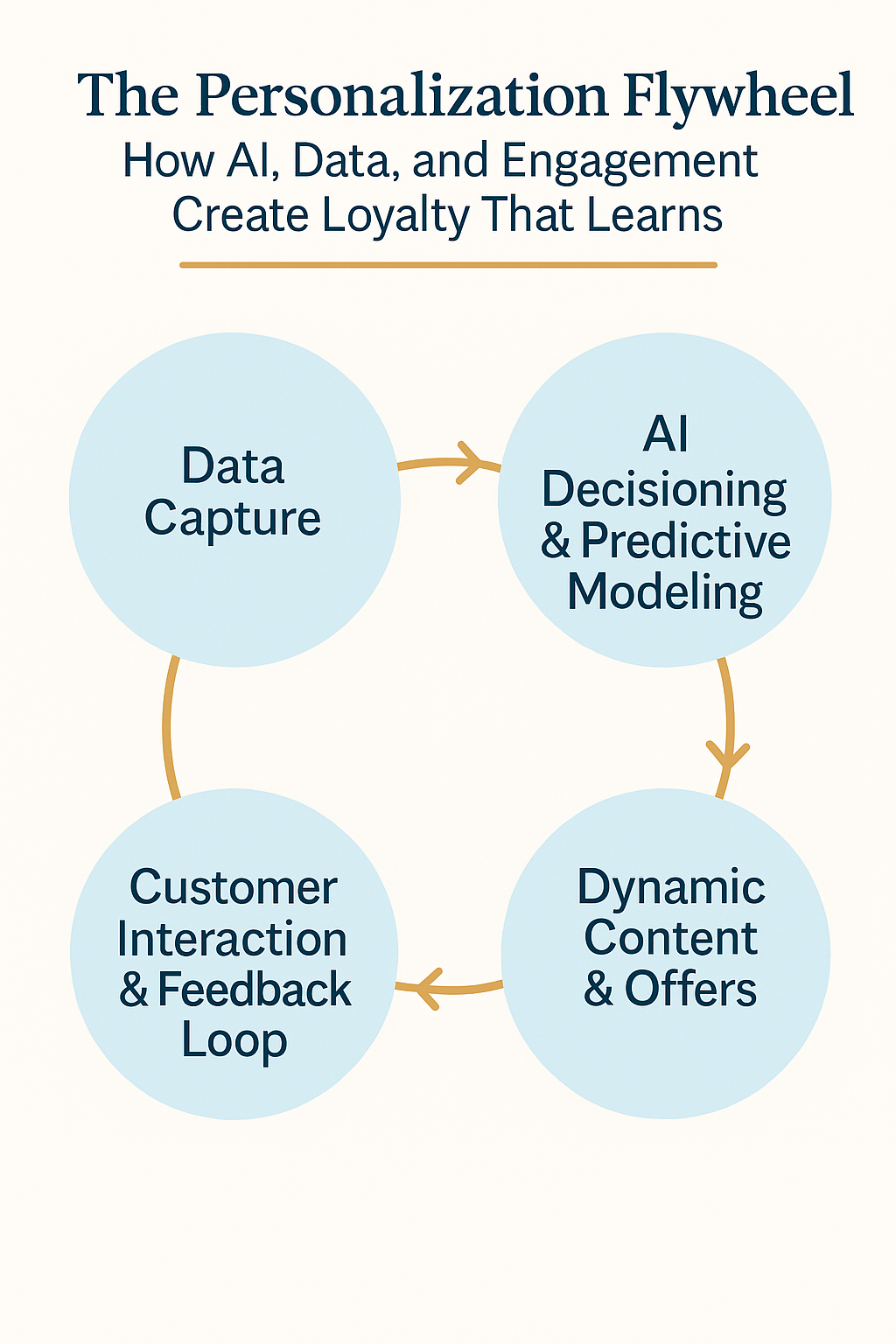
1. Build a VOC Flywheel
Treat VOC like a product with its own roadmap. Set up an always-on listening infrastructure, combine qualitative and quantitative inputs, and create a rhythm for sharing insights across teams.
2. Elevate the Storytelling
Data alone doesn’t move execs, stories do. Marry your dashboards with narrative: “Here’s what we’re hearing, what it means, and what we’re doing about it.” Bring in client verbatims, trend lines, and even sentiment scoring to paint a clear picture.
3. Tie Feedback to KPIs
VOC shouldn’t just live in a PowerPoint. Bake it into KPIs, renewal risk, upsell potential, support SLAs. When feedback becomes a metric that matters, it earns executive attention.
What Happens When You Truly Listen
When you operationalize VOC, you’re not just managing client relationships, you’re deepening them. You’re showing customers: We hear you. We’re with you. We’re building this together.
And that has a ripple effect:
- Stronger renewals
- Higher lifetime value
- More product adoption
- Elevated trust during tough conversations
In short, VOC becomes the foundation for revenue growth.
Final Thought: Listening is a Leadership Skill
We live in a world full of dashboards and data points. The most overlooked skill in client leadership is simple: listening with intent. Not just hearing the words, but understanding the emotion, the urgency, the opportunity underneath.
So ask yourself: What are your clients really saying? And what would change if you truly listened?