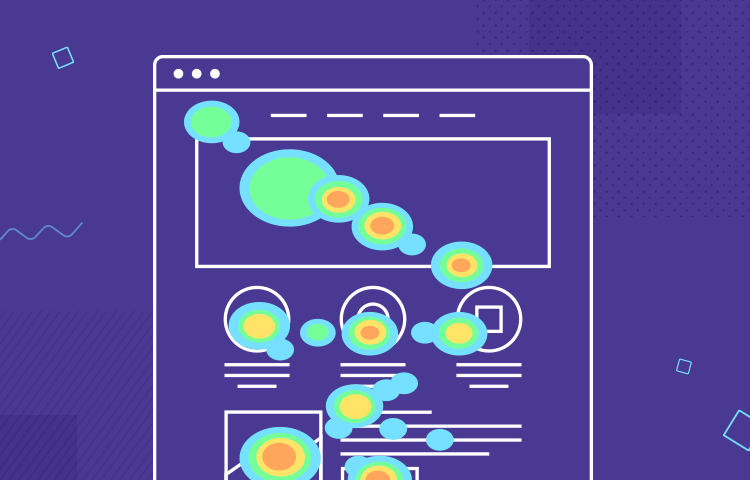
For years, we’ve been taught to chase attention.
More impressions.
More clicks.
More traffic.
More visibility.
After nearly 25 years working with enterprise clients, I have learned something counterintuitive. The most effective growth doesn’t come from more attention. It comes from better-timed attention.
Attention Isn’t Scarce, It’s Poorly Placed
Consumers aren’t disengaged. They’re overwhelmed. They scroll past ads, ignore pop-ups, and tune out messages. This is not because they don’t care. It is because most of what they see shows up at the wrong moment. The mistake many teams make is assuming attention is something you “capture.”
In reality, attention is something you earn by showing up when it actually matters.
The Difference Between Noise and Signal
Think about your own behavior.
You don’t mind being interrupted when:
- You’re already deciding
- You’re actively comparing
- You’re about to act
But interruption feels invasive when:
- You’re mid-task
- You didn’t ask for help
- The message has no relevance to your current intent
The difference isn’t what is shown, it’s when it appears.
What High-Performing Client Teams Do Differently
The strongest client leaders I’ve worked with don’t obsess over surface-level metrics.
They focus on:
- Understanding decision moments
- Mapping user intent across journeys
- Aligning value to timing, not volume
Instead of asking:
“How do we get more visibility?”
They ask:
“Where does attention naturally occur, and how do we add value there?”
That shift changes everything.
Why This Matters for Growth (Not Just Experience)
When attention aligns with intent:
- Engagement increases without being forced
- Trust builds faster
- Conversion feels natural, not coerced
Growth stops being about pressure and starts being about presence. And clients feel the difference.
A Personal Lesson Learned the Hard Way
Earlier in my career, I pushed for bigger launches, louder campaigns, and broader reach. Sometimes it worked. Often, it didn’t. What did work, every single time, was helping teams identify:
- The exact moment someone was already leaning in
- The friction that made decisions harder
- The small signal that said, “Now is the time”
Those moments rarely need amplification. They need clarity.
The Future Belongs to Intent-Led Experiences
As AI, automation, and personalization continue to evolve, the winners won’t be the companies shouting the loudest. They’ll be the ones who understand:
- Attention is contextual
- Timing beats targeting
- Relevance beats reach
And client leaders who can guide teams through that shift will be more valuable than ever.
Final Thought
If your growth strategy depends on forcing attention, it’s fragile. If it’s built around recognizing and respecting attention, it scales. And that’s a lesson I wish I’d learned sooner.